One number
A single referral line for bed bug calls in Rockford.
Getting rid of bed bugs in Brown's Hills-Knightsville depends on finding every spot where they hide, and the bites you can see are only part of that. The City of Rockford's list of historic districts describes Brown's Hills-Knightsville as an area by North Second Street, and the neighborhood sits in ZIP 61107. Calls from these streets go to an independent local provider. Most providers start by checking beds, upholstered pieces and baseboards, then explain heat, chemical or combined treatment. Ask for a written prep sheet, a likely timeline and the return-visit plan before you book.
A single referral line for bed bug calls in Rockford.
Providers usually inspect before giving a price.
Calls go to providers who serve Rockford.
Look up the company in IDPH's business search.
Bed bug treatment in Brown's Hills-Knightsville works out more reliably when the plan fits the home in front of the provider, not a single routine spray. Brown's Hills-Knightsville appears on the City of Rockford's list of historic districts, and Rockford as a whole has an older housing stock: the median home was built in 1963, about three in four units (74.3 percent) date from before 1980, and 45.1 percent of occupied homes are rented. On a given week a provider in 61107 may see an owner-occupied house and a rented flat a few blocks apart, and bed bugs do not care which is which. The Illinois Department of Public Health says bed bugs now "hitchhike" more easily than ever, riding in on luggage, bags, used furniture and visitors' belongings before settling near the places people sleep. A provider normally checks bedrooms, couches, closets and the rooms next to them, since a small population is easy to overlook. Heat or targeted chemical work is then picked to suit the layout, the amount of stored belongings and how long the problem has run. Ask how the return visit will confirm the outcome.

Homes in Brown's Hills-Knightsville may need different methods depending on the layout and how far the bugs have travelled. A sparsely furnished house can suit whole-home heat, while a rented flat full of stored boxes may be better served by room-by-room chemical work. Providers in Rockford generally offer the five services listed below, and the one you are connected with through this line should match the method to the home and the size of the problem. If you are not sure what you have, start with an inspection.
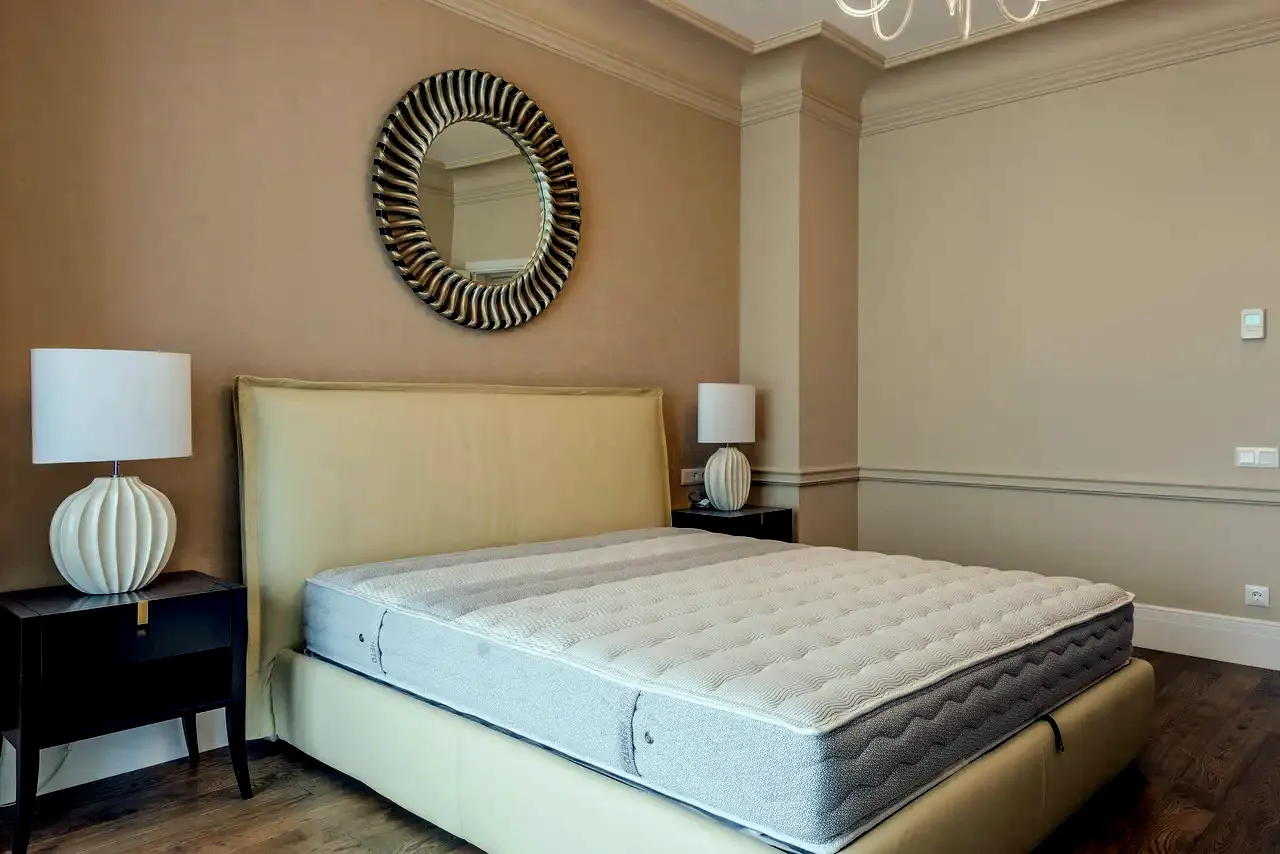
Inside a Brown's Hills-Knightsville home, a provider usually checks mattresses, box springs, bed frames, headboards, baseboards, outlet covers, couches and closet shelving for live bugs, eggs, shed skins and small dark spots. Some bring scent dogs or thermal cameras, so ask what yours uses. In a flat or a building with shared walls, ask whether the rooms or units next door will be checked too, and request written findings with the recommended treatment.
View service →02Heat treatment raises a room, or a whole home, to a temperature that kills bed bugs at every stage of life, eggs included, and holds it there long enough to reach them. It works without leaving product behind, which some households prefer. Providers set temperature sensors so they can confirm the heat gets into furniture, closets, mattresses and wall edges. Ask how long a home of your size in 61107 will take, what must be removed first and whether heat will be combined with another method.
View service →03Where heat is not practical, a provider may treat cracks, seams, baseboards and wall voids with registered bed bug products. Rockford's Property Standards page says infested structures must be exterminated by professional exterminators, so this is not a job for store-bought products, and careful providers rotate products to slow resistance. Ask which products go where, and how long people and pets should stay out of treated rooms.
View service →04Treating a flat or rental in Rockford means thinking beyond the one unit where bites were reported. About 16.6 percent of the city's housing units are in buildings with five or more units, and IDPH says infestations in multi-unit buildings can spread between units. A provider generally treats the affected unit, places interceptors or monitors in the units around it and works with both the owner and the tenant. Ask how prep will work if furniture has to stay where it is, and whether neighboring units will be inspected.
View service →05Most bed bug plans include at least one return visit, because some eggs can survive the first round. On that visit a provider typically re-checks beds and furniture, reads interceptors or monitors and treats any spot with fresh activity. Ask when it will happen, whether it is part of the plan and what written record you will get. Owners and renters in Brown's Hills-Knightsville can file that record with their own papers.
View service →In Brown's Hills-Knightsville, treatment usually starts with planning and access. Most jobs happen in homes where people are still living, so a provider will fit the visit around work schedules, school runs, pets and anyone who sleeps during the day. Heat needs enough electrical capacity at the address, or power equipment brought by the provider, so ask how that will be handled. Chemical work relies on preparation: bagging clothing, stripping beds, clearing closet floors and pulling furniture a little away from the walls. Ask for the prep sheet before the visit so the start is not delayed, and check which items should not be bagged or washed. In Illinois, the Illinois Department of Public Health licenses structural pest control businesses, and IDPH says a business must employ at least one certified technician. Every product also has to be used the way its label directs. Ask the provider to write down what was applied, where and on what date. After a chemical treatment in 61107, keep that note in case a landlord, tenant or later buyer asks how the problem was handled.
When two homes share a wall, gaps around pipes and wiring can let bed bugs cross from one side to the other, so treating one unit may leave a population next door. In Rockford, 33.4 percent of housing units are in buildings with two or more units. A single-unit job can look successful for a couple of weeks and then fail. Ask whether neighboring units will be inspected, whether interceptors will go under bed legs and what happens if bugs show up next door.
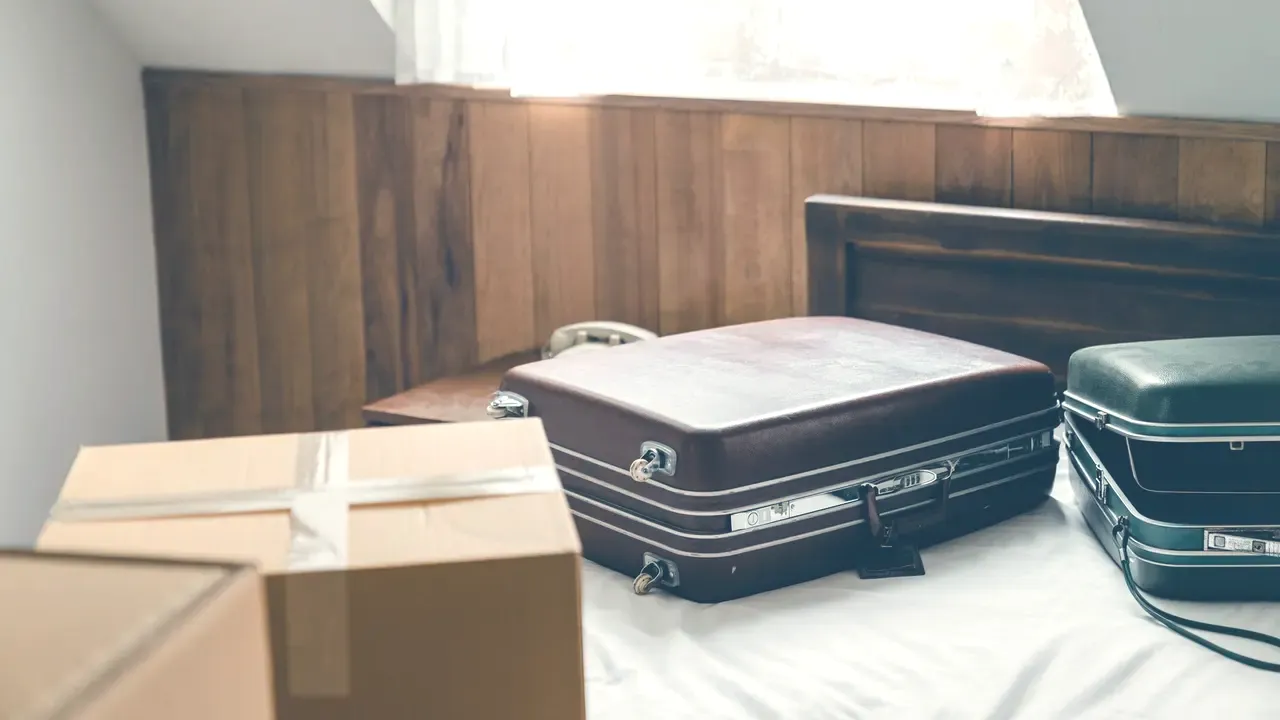
Every move brings boxes, bedding and furniture through the door, and used mattresses, couches and dressers are a familiar way for bed bugs to get in. With 45.1 percent of Rockford's occupied homes rented, tenants arriving and leaving is a normal part of city life, and owners often learn about bed bugs only after a new renter reports bites. Ask a provider about a check between tenants. Before a used item comes inside, look closely at its seams, joints and drawer corners, and ask the provider whether it should be treated or left out.
Stacks of stored belongings give bed bugs shelter that a visual check cannot get to. In a back bedroom piled with boxes or a closet packed to the shelf, an ordinary spray can miss live bugs and the problem can return within weeks. A provider may ask you to sort and thin out the clutter first, or may suggest heat, which can reach into stacked items. Vacuuming and steaming furniture seams are common first steps too. Ask what to sort, bag or set aside before the visit.
Anyone doing structural pest control in Brown's Hills-Knightsville should work for an IDPH-licensed business and follow the label. IDPH's Pest Control Business Search lets you look the business up. Ask for license details and keep a copy with your records.
Bed bug products should carry EPA registration, and each label states where and how the product may be applied. Ask the provider to name every product and to keep within the label limits, and mention children, pets or health concerns before work starts.
No Illinois statute on bed bugs was found. Rockford follows the 2021 International Property Maintenance Code with local amendments, and its Property Standards page requires infested structures to be exterminated by professionals. A written record shows what was done.
Bed bug trouble in Brown's Hills-Knightsville follows the same patterns seen across Rockford. Shared walls in rentals, changes of tenant, used furniture and travel all play a part. Bed bugs live indoors, so they keep going in heated Rockford homes through the coldest months, with no off-season to wait for. Below are four problems owners, renters and landlords often raise, with the questions worth asking about each.
Where flats or houses share walls, the gaps around plumbing and electrical lines can join one living space to the next. Bed bugs travel through those gaps, so treating one unit can leave the source on the far side of the wall. IDPH notes that infestations in multi-unit buildings can move between units, and changes of tenant add to it as furniture comes and goes. A provider usually checks the neighboring units before treatment begins, and may treat wall voids and set interceptors under the beds next door. Ask who will speak with the owner, which units will be checked and what happens if the return visit finds bugs next door.
Sprays and foggers from the store rarely reach the cracks where bed bugs actually shelter. The Illinois Department of Public Health puts it plainly: "Space treatments with aerosols are ineffective against well-hidden bed bugs." The bugs wait it out in wall voids, behind outlet covers and inside furniture joints, then return within a few weeks. People often treat the mattress and miss the bed frame, the headboard and the closet shelves. A provider generally starts with a thorough inspection and then combines methods, such as targeted products, steam, vacuuming and mattress encasements. Ask how the return visit will show whether the plan worked, and what to avoid in the meantime so the bugs are not scattered further.
Mattresses, dressers and couches picked up from online listings, yard sales or resale shops can carry bed bugs hidden in seams and drawer corners. Buyers seldom spot them, and the problem usually starts in whichever room the piece lands in. Check any used item on a hard floor, outside if you can, before it comes indoors. If you find bed bugs, ask a provider whether it can be treated with heat or steam or should stay out of the home. Encasements on mattresses and box springs make later checks easier. A provider can also say honestly when replacing an item makes more sense than treating it.
No Illinois state statute on bed bugs was found, and IDPH says its program does not have authority to hold a landlord accountable. In Rockford, the Property Standards page says all structures must be kept clear of insect infestation, that infested structures must be exterminated by professional exterminators, and that precautions against re-infestation fall on both the owner and the occupant. None of this is legal advice from this site. Still, owners and tenants in Brown's Hills-Knightsville benefit from a written record of who treated the home. Request a report that lists products, treated rooms, dates, return-visit results and license details. Tenants with an unresolved problem can contact the city's Neighborhood Standards Department through Report a Concern.
The cost of bed bug treatment in Brown's Hills-Knightsville is set by the provider after the home has been inspected, and this site does not quote prices. What moves the number is fairly easy to predict: the size of the home, the number of rooms affected, how much is stored in them, the method chosen and whether neighboring units in a rental need attention too. Heat may cost more at the start yet reduce repeat trips in some homes, while chemical plans often need more than one visit. Ask whether the quote covers return visits, monitors and encasements, and how long it stays valid. If a move-out date or new lease is close, say so on the call so the provider can tell you plainly what timing is realistic.
A small flat takes less time and product than a larger house in 61107. Heat work grows with the number of rooms, because each area needs heaters and temperature checks. Ask the provider how the size of your home affects the plan.
Crowded homes take longer to treat and may need a clear-out first. Where closets or storage areas are packed, a provider may suggest heat because it reaches into stacked belongings that sprays miss. That changes the cost but can save a second trip.
In multi-unit buildings, bed bugs often spread into the flats next door. Treating one unit without checking its neighbors usually leads to a repeat visit. Providers commonly price per unit, so owners should ask how a multi-unit job is quoted and timed so the whole building is covered.
This site runs no trucks and plans no routes, so it does not use landmarks to direct crews. What helps more is knowing which facts and offices apply to a home in Brown's Hills-Knightsville. When you call, have your street address and ZIP code ready so the line can route you, and tell the provider about parking, pets or who is home during the day. The points below cover the ZIP code, the street the city uses to describe the area, nearby neighborhoods and the offices that matter for bed bug problems.
Brown's Hills-Knightsville is in ZIP 61107. About 70.8 percent of this ZIP's land area lies inside Rockford city limits, so give your full street address when you call so the line can route you correctly.
The city's list of historic districts describes Brown's Hills-Knightsville as an area by North Second Street. North Second Street's 1300 block falls in 61107. It is a location reference only.
Brown's Hills-Knightsville is named on the City of Rockford's List of Historic Districts. Mention the neighborhood name on the call if your home is inside it.
Neighborhood Standards inspects and works with property owners on compliance, and residents can raise a problem through Report a Concern. No city permit is needed for bed bug treatment.
Rockford's Property Standards page says structures must be kept clear of insect infestation and infested structures must be exterminated by professional exterminators. Treatment is arranged privately with a provider.
Rockford follows the 2021 International Code Council code cycle and has local amendments to the 2021 International Property Maintenance Code. Read the amendments themselves for the exact wording.
In Illinois, the Department of Public Health licenses structural pest control businesses. Its Pest Control Business Search confirms a company's license before work starts.
No Illinois state law on bed bugs was found, and Chicago and Oak Park ordinances do not apply in Rockford. IDPH points tenants to city hall or the building code division.
Brown's Hills-Knightsville takes in houses and rental flats in ZIP 61107. Whether you own or rent, calls from these streets use this same line, so name the neighborhood.
Calls are connected for addresses in Brown's Hills-Knightsville and the Rockford part of 61107, plus 61104, 61114 and the Rockford part of 61108, and for Rockford neighborhoods such as Haight Village, East Rockford, Churchill Grove, Edgewater and West Downtown Rockford. Rockford's median home was built in 1963, and 74.3 percent of units date from before 1980. Tell the provider your home's age and layout so the first visit is planned well.
Brown's Hills-Knightsville is in ZIP 61107, and the city's list of historic districts describes it as an area by North Second Street. Whatever the age or layout of a home here, bed bugs tend to settle first in bedrooms and on couches before spreading to nearby rooms. A provider usually checks those places first and then recommends heat, chemical or combined treatment. Calls from Brown's Hills-Knightsville reach an independent local provider during line hours, and the provider sets the inspection date.
East Rockford, the historic area along East State Street, is a Rockford neighborhood in ZIP 61104, which lies entirely inside the city. Bed bug problems there are handled the same way: an inspection first, then a treatment plan, monitoring and a return visit. Calls from East Rockford, Haight Village, the College Avenue area and Mid-Town North are connected with an independent local provider through this line.
Churchill Grove is a Rockford neighborhood on the south side of Auburn Street, with Edgewater across the street on the north side, both in the Rockford part of 61103. Any house here, old or newer, can pick up bed bugs from luggage, used furniture or a visitor's bag. Owners often call after weeks of bites nobody can explain, so a full inspection before choosing heat or chemical work makes sense. Calls from Churchill Grove homes and rentals use this same referral line.
West Downtown Rockford is a neighborhood in the Rockford part of 61101 that appears on the city's list of historic districts. Its homes and flats face the same bed bug routes as the rest of Rockford: travel, used furniture, overnight guests and shared walls. Calls from West Downtown addresses are connected with an independent local provider in the same way, and the same questions about inspection, prep and return visits apply.
The three scenarios below show how bed bug problems often unfold in Rockford homes. They are examples, not job records or results from this site. Each starts as what seems a small problem and shows what a caller can expect to discuss with a provider.
An owner who rents out both floors of an older house in Brown's Hills-Knightsville hears about bites from the downstairs tenant. A spray from the hardware store seemed to work for a few weeks, then the bites came back and the tenant is running out of patience. In a case like this, a provider usually inspects both units, not only the one with the complaint, since bed bugs can travel along shared walls, floors and pipe runs. If bugs show up upstairs too, the plan may cover both units, with dust in wall voids where the label allows, interceptors under the beds and a return visit two to three weeks later. The owner should ask for a written report of products, treated areas and return-visit findings, and keep it with the lease.
A household in Churchill Grove, on the south side of Auburn Street, has been getting bitten for about two months and has already thrown out one mattress, which changed nothing. There is a baby in the house, and the parents want as little chemical use in the nursery as they can manage. In a situation like this, a provider may suggest heat for the bedrooms, since heat can reach every life stage without leaving product on the crib. The provider might steam the crib frame, encase the remaining mattresses and set monitors to track activity. The family should ask exactly what will be used in each room, how long to stay away and when the return visit is booked. Throwing out furniture before an inspection is rarely needed.
An owner needs a flat in West Downtown Rockford cleared between tenants after the outgoing renter reported bed bugs, and the next lease starts in about ten days. With 45.1 percent of Rockford's occupied homes rented, a tight changeover like this is something many local owners plan around. A provider in this case usually inspects the flat and any units that share walls with it, then treats the affected unit with heat or a chemical plan and sets monitors. The owner should ask whether the flat can be ready for the move-in date, what the new tenant should be told and when the return visit falls. If time is short, the provider can say honestly whether the date is workable. Written records of the inspection and treatment help if questions come up later.
An owner of a small rental building: a tenant reported bites, and the first company treated only that one unit. A caller in this spot should expect the provider to ask about every unit, suggest checking along the shared walls and explain when the return visit happens. A written report helps when speaking with tenants, though no one can promise an outcome before an inspection.
A tenant whose unit already had one treatment still spots a bug and wants fewer chemicals the second time: the caller asks about heat and about what can stay in the home. A caller like this can expect the provider to explain heat, combined methods and prep, and to say which furniture can be treated rather than discarded. No plan is fixed until someone has inspected.
A renter whose landlord has been slow to act: the tenant has bites and does not know where to start. A caller like this can be connected with a provider to discuss an inspection, though treating a rental usually needs the owner involved. Tenants with an unresolved problem can also contact Rockford's Neighborhood Standards Department through Report a Concern.
Bed bugs are a year-round problem in Brown's Hills-Knightsville because they live indoors, and no official source gives them a season in Rockford. What changes over the year is ordinary life: trips, visitors, moves, lease changes and furniture purchases. Those routines, not the weather outside, decide when bed bugs get carried into a home. Below is what each part of the year usually brings and how to respond.
Spring cleaning is when many households pull out stored bedding, flip mattresses and move furniture, and that can uncover old stains, shells or live bugs. Bed bugs do not hibernate in a lived-in home, so signs found in spring usually point to activity that has been present for a while.
Summer trips, family visits and yard sales move bed bugs between homes, hotels and cars. Travelers can carry them back in luggage, and many rentals change hands as leases end. IDPH says bed bugs hitchhike more easily than ever.
Fall brings new school terms, some lease changes and the switch to heating in Rockford homes. None of this makes bed bugs seasonal, but it moves people and their belongings around. A new lease or a houseguest's visit is a good reason to check the beds.
Winter keeps people indoors and brings holiday guests, so bites can become easier to notice. Inside heated homes, bed bugs keep feeding through the cold months. Problems that started earlier in the year often show up now, especially where guests slept in spare rooms or on couches.
Brown's Hills-Knightsville is one part of the Rockford area this referral line covers. Calls are connected for addresses in 61104, 61107, 61114 and the Rockford part of 61108, and for Rockford neighborhoods such as Haight Village, East Rockford, Churchill Grove, Edgewater, Garfield Avenue and West Downtown Rockford. If you own rentals in more than one of these places, give each address so visits can be planned together.
Not every company that answers the phone knows how to treat a building with shared walls or a home packed with stored belongings. The difference shows up a few weeks later if the bites come back. Ask any company these five questions before you sign. The answers help you judge whether the provider you are connected with treats bed bugs as a main line of work or as an occasional add-on.
The Illinois Department of Public Health licenses structural pest control businesses and certifies their technicians. Its Pest Control Business Search lets you check a company before work begins. Ask for the license details and the name of the certified technician, and keep a copy of the report.
Where units share walls, a job that skips the unit next door often ends in a repeat visit. A provider who inspects neighboring units understands how bed bugs move. If only your unit will be treated, ask how activity next door will be ruled out.
EPA-registered bed bug products carry label directions that say where they may be applied. A provider who names the products and explains how they are rotated is watching for resistance. A vague reply about a secret blend is a reason to keep asking before you book.
Some bed bug eggs survive a single treatment, and a return visit, often two to three weeks later, catches what the first round missed. Ask whether that visit is part of the plan or billed on its own, how many visits are covered and what happens if new activity turns up.
Disagreements between owners and tenants, home sales and questions from a landlord often come down to records of who treated the property and how. A report naming products, dates and return-visit findings is your protection. Ask to see a sample before booking and check that it includes license details.
Look up the company first
Rockford Property Standards
Ask before booking
Read the full text
Read the full text
That depends on the method and the size of the home. A chemical treatment of a small flat may take a couple of hours, while whole-home heat often takes up most of a day, because the temperature has to stay high until every life stage is dead. The provider checks this with sensors placed in furniture and along walls. Return visits are usually shorter. Ask the provider for a timeline that fits your home.
The clearest sign is new lines of bites on your arms or legs together with dark spots on the sheets. Also check mattress seams, box spring corners and bed frame joints for shed skins or live bugs. Look-alikes such as carpet beetles can confuse things. If you are not sure, call the referral line and ask a provider to inspect.
With chemical treatment, people and pets usually keep out of treated rooms for several hours while products dry; the label and the provider set the exact time. With heat, no one can stay inside while the home is being heated, though many households return later once it has cooled. Ask for a clear timeline before work starts so you can plan around jobs and school.
This site does not quote prices. The provider sets the cost after an inspection, based on the size of the home, the number of rooms or units involved, how much is stored in them and the method chosen. Ask whether return visits, monitors and encasements are included, and how long the quote stands.
Yes, if eggs survive or if the source is never dealt with, whether that is a neighboring unit, a used piece of furniture or a suitcase from a recent trip. That is why providers usually inspect neighboring units in rentals and book a return visit. Ask how the return visit will show the result and what the next step is if bugs reappear.
Don't see your question? Call the referral line and a local provider can go over timing and next steps.
Ask a providerYour call to the number on this site runs through a call-tracking service, may be recorded, and is connected to an independent local provider that serves Rockford. Calls are connected 6 a.m. to midnight Central Time (7 a.m. to 1 a.m. during daylight saving time). The provider books the inspection and sets the price.